

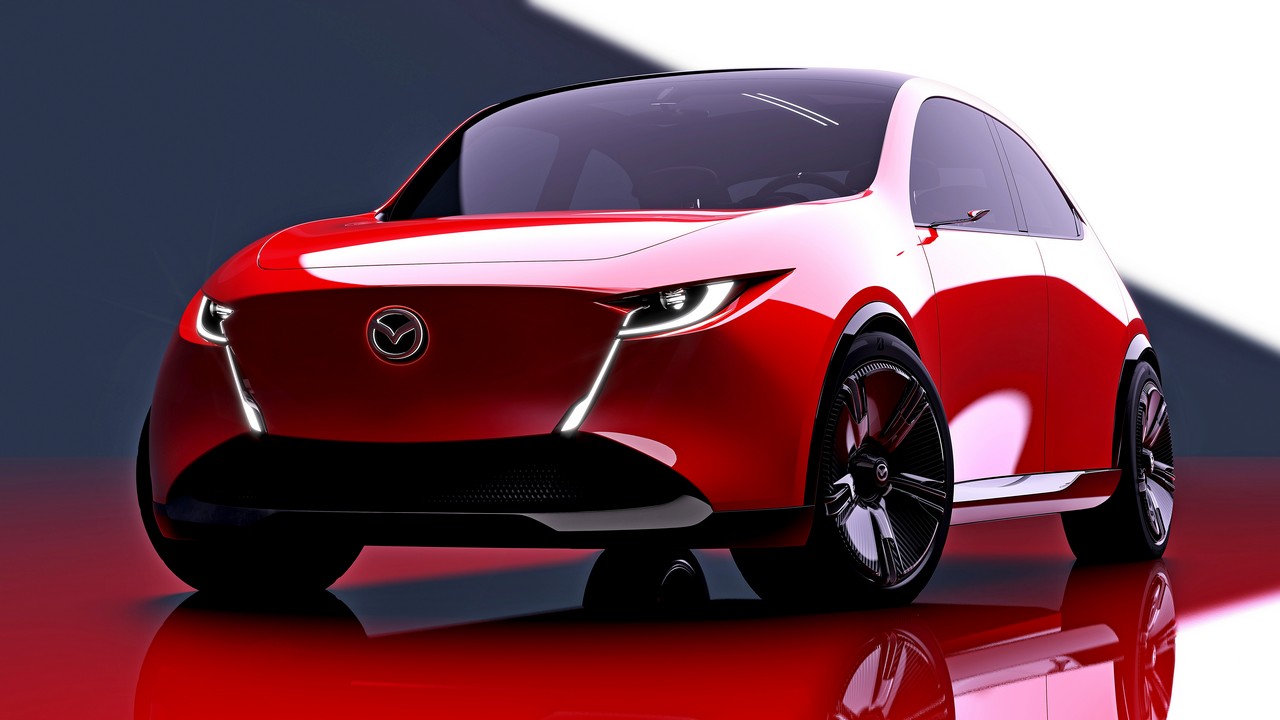
Mazda will start producing a new MHEV (Mild Hybrid Electric Vehicle) in Thailand to be sold domestically as well as for export to Japan and ASEAN markets, according to an announcement from the Board of Investment (BOI).
BOI secretary general Narit Therdsteerasukdi stated in an official release from the agency that a Bt7.4-billion project to raise the capability of the AutoAlliance Thailand (AAT) plant in Rayong to produce a new Mazda MHEV has been approved by the BOI.
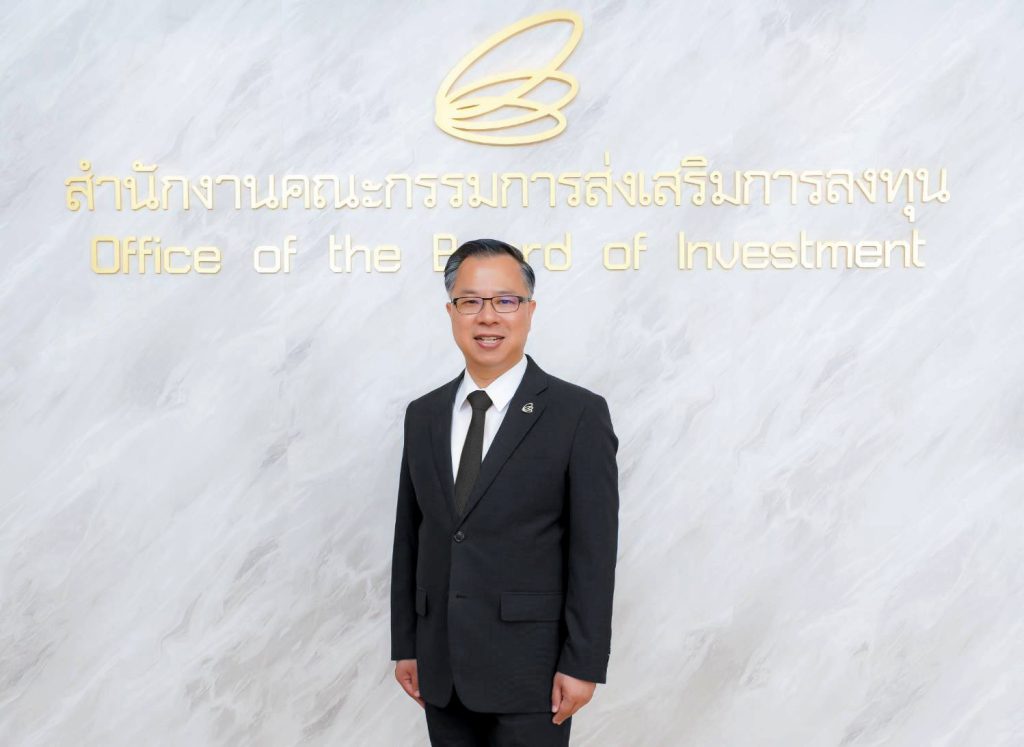
“Mazda has chosen Thailand as its main MHEV production base, with production scheduled to begin in 2027 for domestic sales, as well as exports to Japan and ASEAN countries,” he said. “This investment aligns with global market demand and the future technological transition of automotive vehicles.”
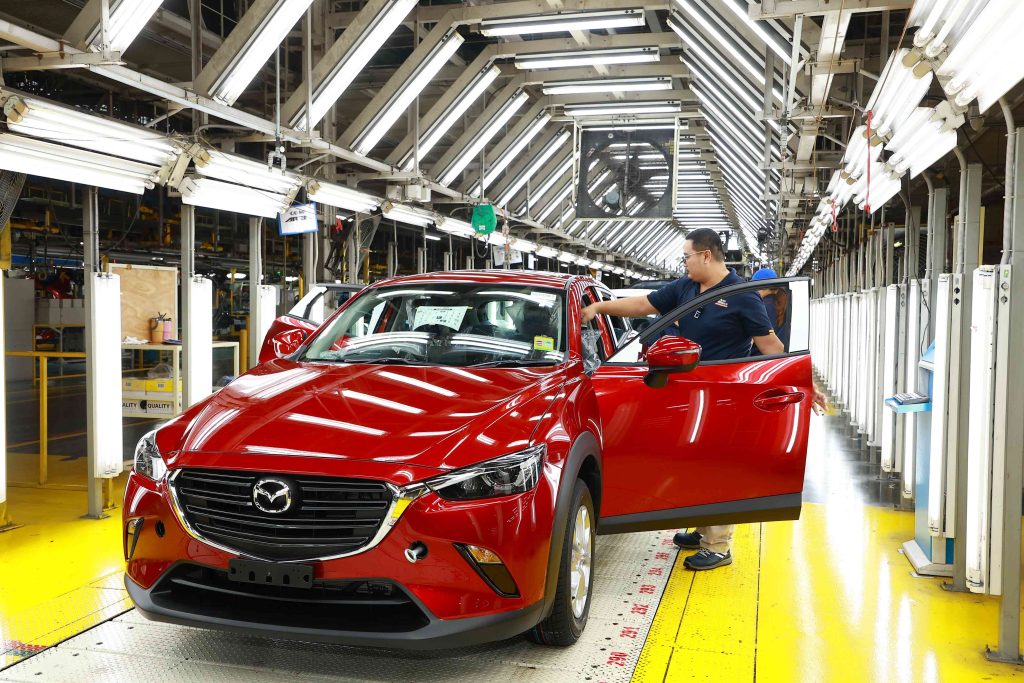
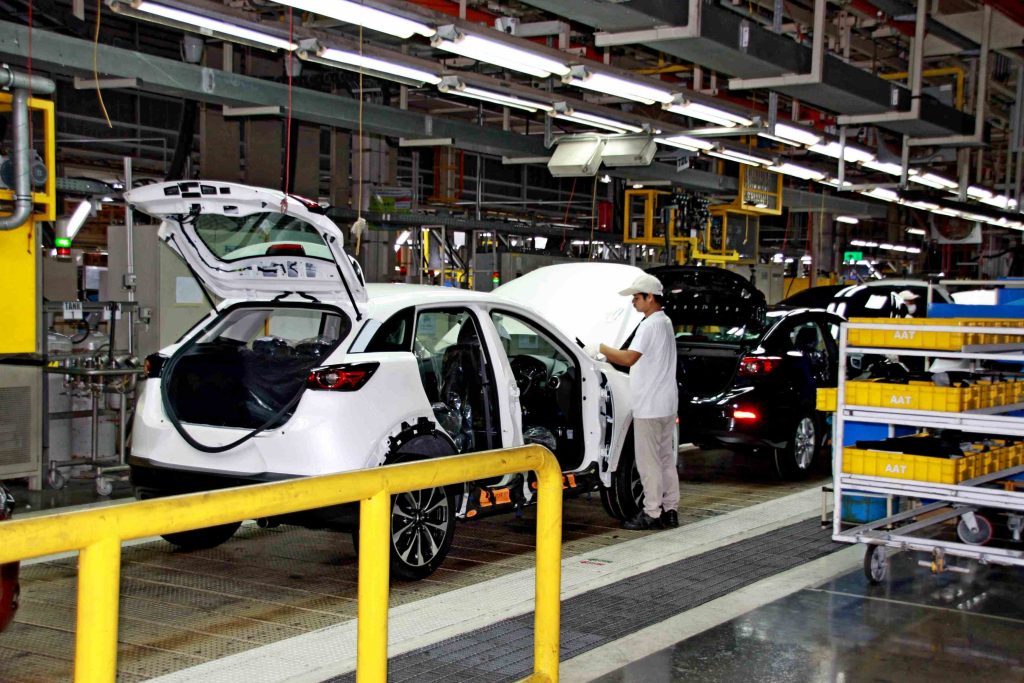
The AAT plant in a Ford-Mazda joint venture and presently produces both passenger cars and pickup trucks for domestic and export markets.
According to Narit, the project will enjoy fixed excise tax rate for seven years (2026-2032), a benefit designated by the National EV Board.
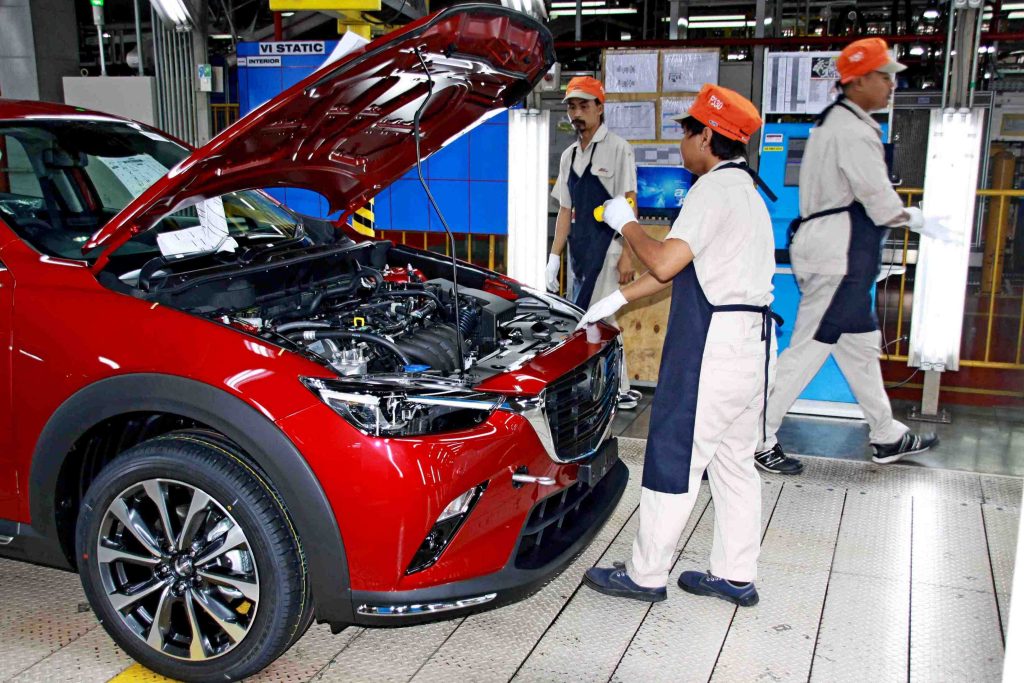
Mazda’s investment will focus on improving the production line by introducing automation processes and robotics, for example welding, body assembly, painting and vehicle assembly, in order to ensure accuracy and efficiency for the production, while utilizing more clean energy for use in the plant.
“This will prepare for the production of the B-SUV model with MHEV technology that helps improve fuel efficiency and lower carbon dioxide,” Narit stated, adding that the project is considered as the first step for the company in developing electric vehicles in the future.
The BOI privilege for the new Mazda model is 10 per cent excise tax rate (for CO2 emission not exceeding 100g/km) and 12 per cent (for CO2 emissions between 101-120g/km). This rate will remain fixed for seven years (2026-2032), while the investment must be no less than Bt5 billion.
Other requirements include the use of key components that are manufactured or assembled locally. This includes batteries from 2026 onwards, and key components like traction motors or parts to assist propulsion from 2028 onwards. Four out of six ADAS systems must also be equipped to the vehicle.
Narit said that Mazda’s decision to produce the new model in Thailand reflects the Hiroshima-based company’s confidence in Thailand.
“The EV Board and the BOI have a clear goal of supporting the technological transition of future vehicle from internal combustion engines to electric vehicle across all segments and technologies – BEV, PHEV, HEV and MHEV. – and with Thailand becoming a production and export hub,” he concluded.